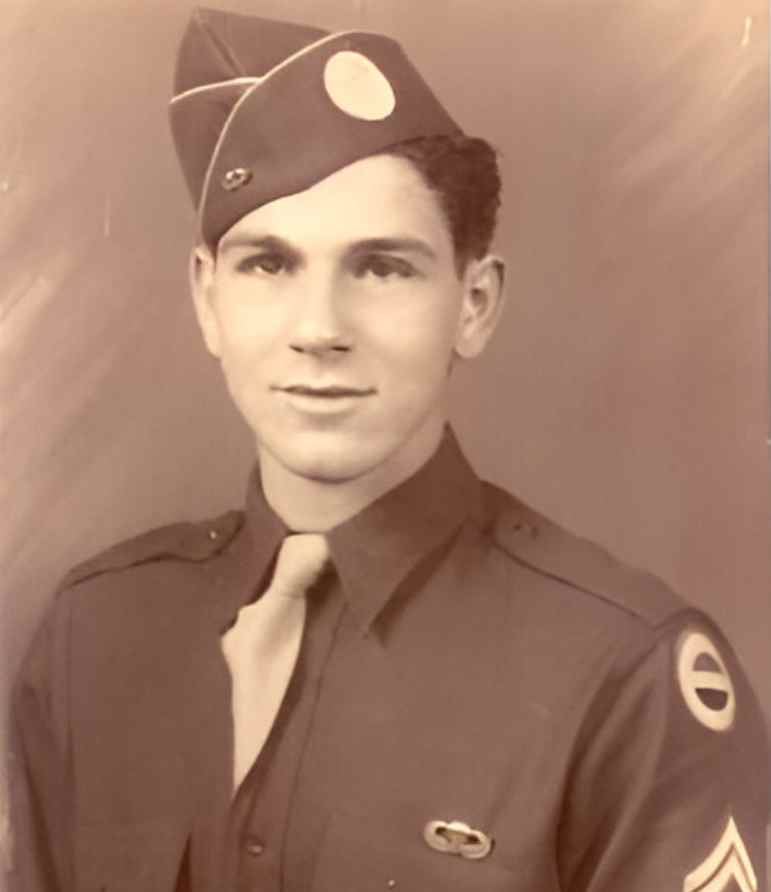
William Guarnere remains one of the most compelling and respected figures of the Second World War, remembered not only for his battlefield courage but also for his fierce loyalty, blunt honesty, and deeply human story. Known widely by his nickname “Wild Bill,” he became an enduring symbol of the American paratrooper spirit through his service with Easy Company, 506th Parachute Infantry Regiment, 101st Airborne Division. His life reflects the reality of war in its rawest form: bravery mixed with fear, humor alongside loss, and resilience forged through sacrifice.
Early Life and Family Background
William Guarnere was born on April 28, 1923, in South Philadelphia, Pennsylvania, a working-class neighborhood known for tight-knit families and strong community bonds. He was the youngest of ten children in an Italian-American household. Growing up during the Great Depression shaped his worldview early, instilling toughness, discipline, and an appreciation for loyalty and hard work.
South Philadelphia in the 1930s was not an easy place to grow up. Streets were rough, opportunities were limited, and respect had to be earned. These conditions played a significant role in shaping William Guarnere’s personality. He developed a reputation for being outspoken, stubborn, and fiercely protective of those he cared about, traits that would later define him as a soldier.
Even as a teenager, Guarnere showed a strong interest in military life. With encouragement from his family, and particularly with his mother’s support, he joined a Citizens Military Training Camp while still underage. This early exposure to discipline and physical training prepared him for what lay ahead.
Decision to Enlist and Becoming a Paratrooper
In 1942, as World War II intensified and the United States became deeply involved in the global conflict, William Guarnere enlisted in the U.S. Army. Rather than choosing a safer role, he volunteered for the paratroopers, one of the most dangerous and demanding branches of the military.
Paratrooper training was notoriously brutal. Soldiers were pushed to their physical and mental limits through long marches, harsh discipline, and relentless drills. Many quit or washed out. William Guarnere thrived. His natural toughness, combined with a refusal to back down, helped him earn his coveted jump wings.
He was assigned to Easy Company, part of the 506th Parachute Infantry Regiment. Easy Company would later become one of the most famous combat units in American history, but at the time, it was simply a group of young men training to face an uncertain future.
Brotherhood Within Easy Company
One of the defining aspects of William Guarnere’s life was his bond with the men of Easy Company. The shared hardships of training and combat forged connections that went beyond friendship. These men relied on one another for survival, and Guarnere took that responsibility seriously.
He was known for his humor, street-smart attitude, and blunt way of speaking. While some officers found him difficult, many enlisted men admired him deeply. He had little tolerance for incompetence and strongly believed that leaders should earn respect through action rather than rank.
His nickname “Wild Bill” emerged during this period. It reflected both his aggressive approach to combat and his fearless demeanor. For Guarnere, protecting his fellow soldiers was personal, not just a duty.
D-Day and the Normandy Invasion
The defining moment for many paratroopers came on June 6, 1944, during the D-Day invasion of Normandy. William Guarnere parachuted into occupied France in the early hours of the morning, under heavy anti-aircraft fire.
The drop was chaotic. Soldiers were scattered across the countryside, many landing far from their intended zones. Despite the confusion, Guarnere quickly regrouped with fellow paratroopers and moved toward their objectives. Combat began almost immediately.
What fueled his aggression during this campaign was deeply personal. Earlier in the war, Guarnere’s brother Henry had been killed while fighting in Italy. This loss left a lasting impact on him. He carried intense anger toward the enemy, which translated into a relentless fighting style in Normandy.
His actions during this period earned him a reputation as one of Easy Company’s most fearless soldiers. He repeatedly exposed himself to danger, not out of recklessness, but out of determination to complete the mission and protect his comrades.
Operation Market Garden and Continued Combat
Following Normandy, William Guarnere continued to serve with Easy Company during Operation Market Garden in the Netherlands. This ambitious Allied operation aimed to secure key bridges and advance rapidly into Germany.
The fighting was fierce and often frustrating. Objectives were not always achieved, and casualties mounted. Guarnere remained on the front lines, demonstrating the same courage and intensity that had defined his earlier actions.
By this stage of the war, the mental and physical toll on soldiers was immense. Many had already been wounded or killed. Guarnere himself had sustained injuries but refused to let them remove him from the fight.
The Battle of the Bulge and Life-Changing Injury
The winter of 1944 brought one of the most brutal campaigns of the war: the Battle of the Bulge. Easy Company was rushed to the Ardennes Forest under severe conditions. They lacked proper winter clothing and supplies, yet were expected to hold defensive positions against a massive German offensive.
It was during this battle that William Guarnere’s war came to an abrupt and devastating end. While attempting to help a wounded comrade, he was struck by artillery fire. The explosion caused catastrophic injuries, resulting in the loss of his right leg.
The injury was severe enough that his survival was uncertain. Thanks to prompt medical attention and sheer determination, Guarnere lived, but his combat career was over.
Recovery and Life After the War
The transition from elite paratrooper to amputee was not easy. William Guarnere faced long months of recovery, both physically and emotionally. For a man who had defined himself by action and independence, adapting to life with a prosthetic limb was a significant challenge.
Despite these difficulties, he refused to let his injury define him. After the war, he returned to civilian life in Philadelphia and worked various jobs. While he rarely spoke about his emotions, those close to him understood that the war had left deep scars.
Over time, Guarnere became more open about sharing his experiences, especially as interest in World War II history grew. He attended veteran reunions and spoke with younger generations about the realities of combat, emphasizing brotherhood, sacrifice, and responsibility.
Public Recognition and Band of Brothers
William Guarnere became widely known to the general public through the book and television miniseries Band of Brothers. His portrayal captured his sharp wit, intense loyalty, and uncompromising attitude, bringing his story to a new audience.
While he appreciated the recognition, Guarnere often reminded people that the story was not just about him. He consistently redirected attention to the men who did not return home. For him, remembrance was about honoring sacrifice rather than seeking fame.
He later co-authored a memoir with fellow Easy Company veteran Edward “Babe” Heffron. The book offered a candid and personal account of their wartime experiences, written in the straightforward, unfiltered style that defined Guarnere himself.
Character, Values, and Personal Beliefs
What made William Guarnere stand out was not only his bravery but also his sense of justice. He believed strongly in fairness, accountability, and loyalty. He had little patience for arrogance or detachment from reality, particularly in leadership.
Despite his tough exterior, he cared deeply about his fellow soldiers. Many accounts describe him as someone who would risk everything for the man next to him. This combination of toughness and compassion made him a natural protector within Easy Company.
Final Years and Legacy
William Guarnere passed away on March 8, 2014, at the age of 90. His death marked the loss of one of the last surviving members of Easy Company. In recognition of his service, a street in South Philadelphia was named in his honor, a fitting tribute to a man who never forgot where he came from.
His legacy lives on through historical records, personal memoirs, and the memories of those who served with him. William Guarnere represents a generation that answered the call during one of history’s darkest moments and endured unimaginable hardship with courage and resolve.
(FAQs)
Who was William Guarnere?
William Guarnere was a U.S. Army paratrooper who served with Easy Company during World War II and became widely known for his bravery and fierce loyalty to his fellow soldiers.
Why was William Guarnere called “Wild Bill”?
He earned the nickname due to his aggressive fighting style, fearless attitude in combat, and outspoken personality.
What happened to William Guarnere during the Battle of the Bulge?
During the Battle of the Bulge, he was severely wounded by artillery fire while helping a fellow soldier and lost his right leg.
Was William Guarnere featured in Band of Brothers?
Yes, his character was portrayed in the Band of Brothers miniseries, which brought his story to international attention.
Did William Guarnere write a book?
He co-authored a memoir sharing his wartime experiences and friendship with fellow Easy Company soldiers.
Conclusion
William Guarnere’s life is a powerful reminder of the human side of war. Beyond medals and uniforms, his story reflects courage rooted in loyalty, strength shaped by loss, and resilience tested by unimaginable circumstances. From the streets of South Philadelphia to the frozen forests of the Ardennes, William Guarnere lived with intensity and purpose. His legacy endures as an example of what it meant to serve, to sacrifice, and to stand by one’s brothers no matter the cost.