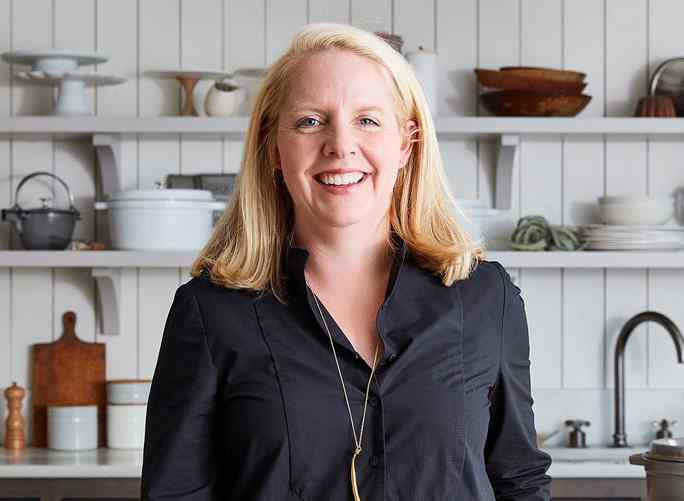
Merrill Stubbs is widely recognized as one of the most influential figures in contemporary food media. As the co-founder of Food52, she helped transform how home cooks discover recipes, share ideas, and shop for thoughtfully designed kitchen products. Her journey from culinary student to digital media entrepreneur reflects a rare combination of creativity, discipline, and strategic vision.
Early Life and Culinary Foundations
While Merrill Stubbs is best known for her digital entrepreneurship, her foundation was built in the kitchen. She trained at Le Cordon Bleu in London, one of the world’s most respected culinary institutions. That formal education gave her technical discipline, but it also shaped her understanding of flavor, technique, and global food traditions.
After culinary school, she worked in professional kitchens, including experiences connected to Cook’s Illustrated and Flour Bakery in Boston. These environments are known for rigor and precision. Recipes were tested repeatedly, techniques were scrutinized, and flavor had to justify every ingredient. This early exposure to high standards would later influence the editorial approach at Food52.
Merrill Stubbs did not approach cooking casually. She approached it analytically and passionately, blending classic training with an appreciation for everyday home cooking.
From Food Writing to Food Entrepreneurship
Before launching Food52, Merrill Stubbs worked as a freelance food editor and writer. Her work appeared in respected publications, and she collaborated closely with fellow food writer Amanda Hesser. Together, they tested and refined recipes for The Essential New York Times Cookbook, a project that required meticulous research and careful recipe verification.
That collaboration planted the seed for something larger.
In 2009, at a time when social media was still emerging and digital food communities were fragmented, Merrill Stubbs co-founded Food52 with Amanda Hesser. The concept was innovative: create an interactive platform where home cooks could submit recipes, compete in weekly contests, and build a genuine community around food.
The name “Food52” reflected the 52 weeks of the year, symbolizing ongoing creativity and continuous participation.
The Birth of Food52 and a New Kind of Community
Recipe Contests as Community Builders
The early Food52 model revolved around weekly recipe contests. Each week, home cooks were invited to submit recipes based on a specific theme. Winners were chosen, tested, and featured. Over time, this approach cultivated loyalty and trust.
Merrill Stubbs understood something fundamental: people do not just want to consume content; they want to contribute. By inviting participation, Food52 empowered its audience. Instead of positioning itself as a top-down authority, it became a collaborative space.
This participatory model distinguished Food52 from traditional food magazines, which typically featured recipes created by professional chefs and editors. Food52 blurred the lines between professional and home cook.
Trust Through Testing
Despite its community-driven format, the platform maintained strict editorial standards. Recipes were tested in-house before publication. This was critical. Online recipes often suffer from inconsistency or incomplete instructions, but Merrill Stubbs insisted on quality control.
The result was a brand built on credibility.
Readers knew that if a recipe appeared on Food52, it had been vetted. In the crowded world of food blogging, this reliability became a powerful differentiator.
Expanding Beyond Recipes: The Commerce Evolution
As digital media evolved, advertising revenue models became unstable. Many content companies struggled. Merrill Stubbs helped guide Food52 through a strategic shift: integrating commerce into content.
Curated Kitchenware
Food52 began offering curated kitchen products that aligned with its aesthetic and values. These were not random affiliate links. The brand developed a carefully selected shop featuring items that were functional, well-designed, and often small-batch or artisan-made.
This move positioned Food52 as more than a recipe site. It became a lifestyle brand.
The commerce strategy proved successful because it was consistent with the platform’s identity. Readers trusted the recommendations because they were aligned with the editorial voice that Merrill Stubbs had helped establish.
The Direct-to-Consumer Advantage
By combining content and commerce, Food52 created a direct relationship with customers. Instead of relying solely on third-party advertising networks, the brand generated revenue through product sales.
This hybrid model—part media company, part retailer—became a blueprint that many digital brands would later adopt.
Leadership Style and Vision
Merrill Stubbs was not just a culinary expert; she was also a strategic leader. Her leadership style emphasized collaboration, creativity, and long-term thinking.
Building a Strong Team
Successful startups rarely succeed because of one person alone. Merrill Stubbs played a key role in building and nurturing a team of editors, recipe testers, designers, and product curators. Culture mattered. Standards mattered. Transparency mattered.
She fostered an environment where ideas could be tested and refined. This mirrored the recipe-testing process: try, adjust, improve.
Balancing Creativity and Discipline
One of the defining characteristics of Merrill Stubbs is her ability to balance creativity with structure. Food media often leans heavily toward aesthetics and storytelling. However, building a sustainable business requires operational discipline.
Under her leadership, Food52 maintained editorial integrity while also scaling operations and expanding into new areas such as publishing and product development.
Stepping Away and Industry Impact
In 2020, Merrill Stubbs stepped back from day-to-day operations at Food52. By that time, the company had grown from a startup idea into a major player in the food and home space.
Her departure marked the end of an era, but her influence remained embedded in the company’s DNA.
The broader food media industry had changed significantly between 2009 and 2020. Community engagement became standard. Integrated commerce became common. Trust-based curation became essential. Merrill Stubbs helped shape these shifts.
Merrill Stubbs and the Democratization of Food Media
One of the most important contributions of Merrill Stubbs is the democratization of recipe publishing.
Before platforms like Food52 gained prominence, food publishing was dominated by magazines, cookbooks, and television networks. The barrier to entry was high. With Food52, talented home cooks gained visibility.
This shift had lasting consequences:
• Home cooks could build followings
• Diverse culinary traditions gained recognition
• Recipe development became more inclusive
Merrill Stubbs helped open the door for voices that might otherwise have remained unheard.
The Aesthetic and Cultural Influence
Food52 became known not only for recipes but also for its visual identity. Clean photography, approachable writing, and an emphasis on seasonal cooking defined the brand.
This aesthetic influenced how food content is presented online today. Minimalist styling, natural light photography, and personal storytelling became common across digital platforms.
Merrill Stubbs understood that food is emotional. It connects to memory, family, and culture. By honoring that emotional dimension, she helped create a brand that felt intimate and authentic rather than corporate.
Challenges and Adaptation in a Changing Digital Landscape
The digital publishing environment is volatile. Algorithms change. Consumer habits shift. Competition increases.
Merrill Stubbs navigated several critical phases:
• The early social media boom
• The rise of Instagram-driven food culture
• The pivot to e-commerce
• The decline of traditional display advertising
Her ability to adapt while preserving core values demonstrates strategic resilience.
Companies that fail to evolve often disappear. Food52 endured and expanded.
Lessons from Merrill Stubbs’ Career
There are several key takeaways from the journey of Merrill Stubbs:
Community Is an Asset
Audiences are not passive. They want participation. Brands that cultivate two-way relationships build stronger loyalty.
Quality Builds Longevity
Recipe testing and editorial standards may seem time-consuming, but they create trust. Trust translates into sustainability.
Alignment Matters
Commerce must align with content. Random monetization strategies can erode credibility. Merrill Stubbs demonstrated how to integrate commerce organically.
Innovation Requires Risk
Launching a community-driven food platform in 2009 was not a guaranteed success. It required vision and confidence.
The Broader Cultural Significance
Food media influences more than dinner menus. It shapes how people think about health, sustainability, hospitality, and creativity.
Through Food52, Merrill Stubbs contributed to conversations about:
• Seasonal cooking
• Sustainable sourcing
• Home-centered creativity
• Design-forward kitchens
These themes resonate with modern consumers who seek meaning in everyday rituals.
(FAQs)
Who is Merrill Stubbs?
Merrill Stubbs is the co-founder of Food52, a digital food and home brand known for community-driven recipes and curated kitchen products.
What is Merrill Stubbs known for?
She is best known for co-creating Food52 and helping pioneer the integration of editorial food content with e-commerce.
Did Merrill Stubbs attend culinary school?
Yes. She trained at Le Cordon Bleu in London, which provided her with formal culinary education.
Is Merrill Stubbs still involved with Food52?
She stepped back from day-to-day operations in 2020, though her influence remains central to the brand’s identity.
Why is Merrill Stubbs important in food media?
She helped democratize recipe publishing, build trusted digital communities, and establish a sustainable hybrid model combining content and commerce.
Conclusion
Merrill Stubbs represents a generation of entrepreneurs who understood that digital platforms could be more than content distribution channels. She recognized that food is communal, emotional, and creative—and she built a company that reflected those truths.
Through careful recipe testing, strong community engagement, and thoughtful integration of commerce, Merrill Stubbs helped redefine how Americans cook, share, and shop online. Her legacy is visible not only in Food52 but also in the broader food media landscape that followed.