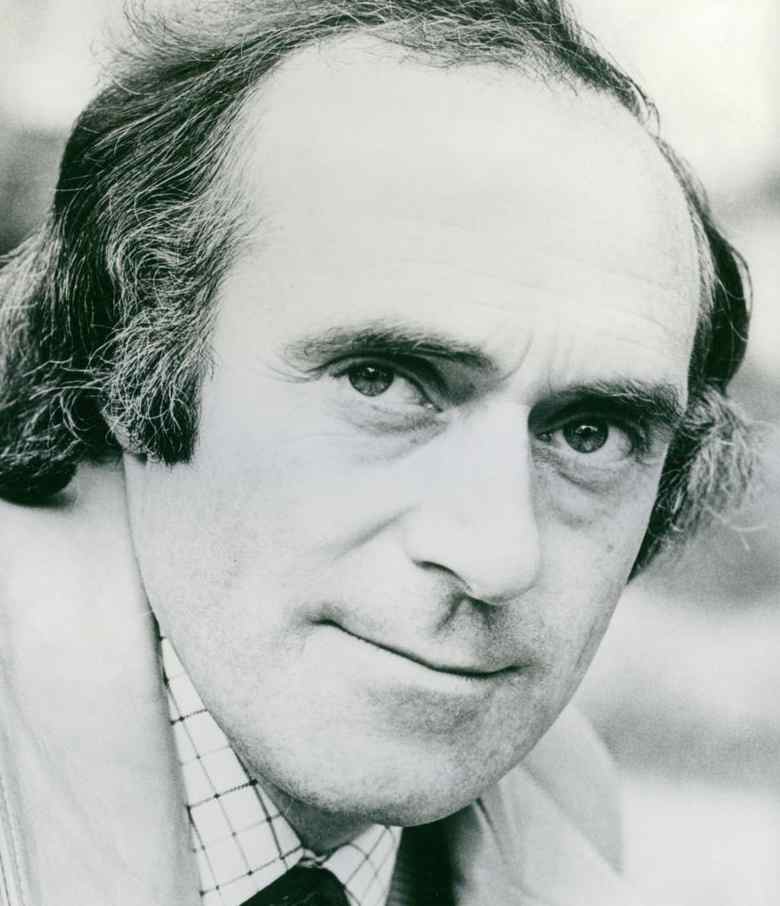
The story of Raymond Bowers reflects the experience of an entire generation shaped by hardship, courage, and unwavering duty. Known primarily as a World War II serviceman who witnessed one of the most defining moments in American history, his life offers a powerful lens into the realities faced by young Americans during wartime. While many soldiers returned home quietly and lived modest lives, their stories continue to influence how we understand sacrifice, resilience, and national identity.
Early Life and Background
Growing Up in Pre-War America
Born during a time when the United States was still recovering from economic instability, Raymond Bowers grew up in an era defined by hard work and community values. Families relied heavily on cooperation, discipline, and perseverance. Young Americans of this generation often learned responsibility early, helping their households survive through difficult economic conditions.
Education and employment opportunities were shaped by the realities of the Great Depression. Like many young men of his time, he developed mechanical skills and practical knowledge rather than pursuing purely academic ambitions. These abilities would later prove essential during military service.
Influences That Shaped His Character
The environment of early 20th-century America emphasized patriotism and civic duty. Stories of earlier wars, national pride, and strong community ties created a mindset where serving one’s country was considered both an honor and a responsibility. These cultural influences played a significant role in the decisions many young Americans made as global tensions escalated during the late 1930s.
Enlistment and Entry into Military Service
Joining the U.S. Army
As international conflict intensified, Raymond Bowers enlisted in the United States Army in 1940, before America officially entered World War II. At the time, few Americans fully understood how large the coming conflict would become. Enlistment often represented opportunity, stability, and a chance to serve the nation.
He trained as an aircraft mechanic, a role requiring technical precision and calm decision-making under pressure. Aircraft maintenance was critical to military success; even small mechanical failures could determine the outcome of missions and the survival of pilots.
Training and Preparation
Military training introduced recruits to strict discipline and teamwork. Service members learned to operate within structured systems where cooperation mattered more than individual recognition. Mechanics were responsible not only for machines but also for the lives connected to them.
This period prepared him for events that would soon change American history forever.
Witness to Pearl Harbor
December 7, 1941
One of the most defining moments in the life of Raymond Bowers occurred during the Japanese attack on Pearl Harbor. Stationed in Hawaii at Wheeler Field, he experienced firsthand the sudden transformation from peace to war.
The morning began normally but quickly turned chaotic as aircraft attacks struck military installations across Oahu. Explosions, smoke, and confusion spread rapidly. Personnel scrambled to respond despite limited preparation for such a surprise assault.
Survival and Immediate Response
Aircraft mechanics and ground crews played crucial roles during the attack. Their responsibilities included protecting equipment, assisting injured personnel, and attempting to keep surviving aircraft operational. The ability to remain calm under extreme pressure became essential.
Surviving the attack was not simply a matter of luck; it required quick thinking and resilience. The experience left a lasting emotional impact, shaping perspectives on war, loss, and survival.
Emotional and Historical Impact
For many veterans, Pearl Harbor represented the moment America unified with a shared purpose. Witnessing history unfold firsthand gave Raymond Bowers a unique understanding of how quickly global events can reshape individual lives.
Service During World War II
Role as an Aircraft Crew Chief
After the attack, military operations intensified. As a crew chief, Raymond Bowers was responsible for ensuring aircraft readiness, overseeing maintenance teams, and supporting flight missions. These roles demanded technical expertise as well as leadership.
Aircraft maintenance crews often worked long hours under stressful conditions. Success depended on accuracy, speed, and collaboration.
Combat Environment and Risks
Military aviation during World War II was dangerous not only for pilots but also for support personnel. Equipment failures, enemy attacks, and unpredictable conditions created constant risk.
During operations near Saipan, one mission reportedly ended with an aircraft being shot down. Surviving such incidents required endurance and adaptability. Experiences like these highlighted the unpredictable nature of wartime service.
Brotherhood Among Service Members
One of the strongest themes shared by veterans is the sense of brotherhood formed during service. Shared danger created bonds that lasted long after the war ended. These relationships often became central to veterans’ identities and memories.
Life Beyond the Battlefield
Returning Home
When World War II ended, millions of American soldiers faced the challenge of transitioning back to civilian life. Returning home was both joyful and complicated. Veterans carried memories that few civilians could fully understand.
Like many others, Raymond Bowers returned to a society undergoing rapid change. Economic growth, suburban expansion, and technological progress reshaped American life in the post-war years.
Adjusting to Civilian Society
The shift from structured military routines to civilian independence required emotional adjustment. Many veterans relied on family support and community connections to rebuild normal life.
Skills learned in the military — discipline, teamwork, and problem-solving — often translated into successful civilian careers.
Personal Values and Character
Commitment to Duty
A defining trait associated with Raymond Bowers was dedication to responsibility. Military service reinforced values such as accountability, reliability, and perseverance.
These characteristics reflected broader ideals shared by the WWII generation, often called the “Greatest Generation” for its resilience during global crisis.
Humility and Quiet Heroism
Unlike modern celebrity culture, many veterans avoided public attention. Their contributions were seen as part of collective effort rather than individual achievement. Stories were often shared only with family or preserved through oral history interviews.
This humility adds depth to historical understanding, reminding us that heroism frequently appears in ordinary individuals performing extraordinary duties.
Historical Importance and Legacy
Preserving Veteran Stories
Oral histories and personal accounts help historians understand war beyond official records. The experiences of Raymond Bowers contribute to preserving authentic perspectives on World War II.
Such narratives provide insight into daily military life, emotional struggles, and the human cost of conflict.
Influence on Future Generations
Veteran stories continue to educate younger generations about sacrifice and civic responsibility. They encourage reflection on freedom, national unity, and the consequences of global conflict.
By studying individual lives, history becomes more personal and relatable.
The Broader WWII Context
World War II transformed America into a global leader. Veterans returning home fueled economic growth, technological innovation, and social change. Individual experiences collectively shaped modern American identity.
Lessons from a Life of Service
Courage Under Pressure
The experiences connected to Raymond Bowers demonstrate how ordinary individuals can display extraordinary courage when faced with crisis. Courage often emerges through action rather than intention.
Adaptability and Resilience
War demanded constant adaptation. From mechanical challenges to survival situations, flexibility became essential. These lessons remain relevant in modern professional and personal life.
The Importance of Remembering History
Remembering veterans ensures that sacrifices are not forgotten. Personal stories bridge the gap between past and present, helping society learn from history rather than repeat mistakes.
(FAQs)
Who was Raymond Bowers?
Raymond Bowers was an American World War II serviceman known for surviving the Pearl Harbor attack and serving as an aircraft mechanic and crew chief during the war.
What role did he play during World War II?
He worked primarily in aircraft maintenance and operational support, ensuring military planes were mission-ready and assisting aviation operations.
Was he present during the Pearl Harbor attack?
Yes, he was stationed in Hawaii and witnessed the events of December 7, 1941, making him part of one of the most significant moments in U.S. military history.
Why is his story historically important?
His experiences provide firsthand insight into wartime service, helping historians and future generations understand the human realities behind major historical events.
How are stories like his preserved today?
Veteran interviews, museum archives, and oral history projects help preserve personal accounts and ensure they remain accessible for education and remembrance.
Conclusion
The life story of Raymond Bowers represents far more than a single individual’s wartime experience. It reflects the courage, resilience, and quiet determination shared by millions of Americans who served during World War II. From witnessing the attack on Pearl Harbor to supporting critical aviation missions, his journey illustrates how ordinary citizens became participants in extraordinary history.
Understanding lives like his allows us to see history not merely as dates and battles but as human experiences shaped by fear, hope, sacrifice, and perseverance. The legacy left behind continues to inspire respect for service members and reminds future generations of the responsibility to preserve freedom and learn from the past.