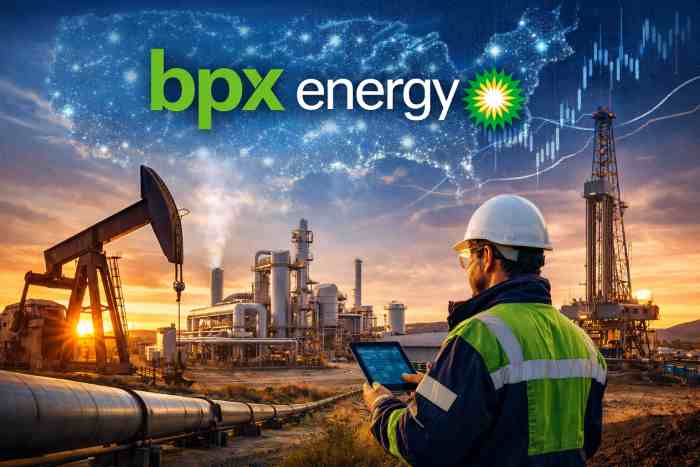
In the evolving landscape of American energy production, bpx energy has emerged as one of the most dynamic onshore oil and gas operators in the United States. With a strong presence in major shale basins and a strategic focus on operational efficiency, technology integration, and emissions reduction, the company has positioned itself at the center of modern upstream development.
Company Overview and Background
Origins and Corporate Structure
bpx energy operates as the U.S. onshore oil and gas business of BP, one of the world’s largest integrated energy companies. Formed through the combination of legacy BP onshore assets and strategic acquisitions in key shale regions, the company focuses exclusively on U.S. land-based exploration and production.
Headquartered in Denver, Colorado, it manages extensive acreage across major producing basins. While it operates independently in daily functions, it benefits from the financial strength, technical resources, and global expertise of its parent company.
Mission and Strategic Vision
The mission of bpx energy centers on producing oil and natural gas safely, efficiently, and responsibly. The company aims to balance profitability with environmental stewardship, placing heavy emphasis on emissions management, methane reduction, and advanced monitoring technologies.
Its long-term vision aligns with a more digitally connected and operationally streamlined upstream sector, where real-time data and automation drive both productivity and sustainability.
Key Operating Regions in the United States
The success of bpx energy is closely tied to its presence in some of the most productive shale basins in the country.
Permian Basin
The Permian Basin in West Texas and southeastern New Mexico represents one of the most prolific oil-producing regions in the world. This basin is a cornerstone of the company’s portfolio, delivering significant volumes of crude oil and associated natural gas.
In this region, horizontal drilling and hydraulic fracturing techniques unlock tight rock formations that were once inaccessible. Production efficiency and well optimization play a major role in sustaining output.
Eagle Ford Basin
Located in South Texas, the Eagle Ford Basin is another strategic asset. Known for its rich hydrocarbon content, the Eagle Ford contributes both liquids and natural gas production. The company’s operations here focus on maximizing recovery while minimizing environmental impact.
Haynesville Basin
Primarily a natural gas-focused region in East Texas and Louisiana, the Haynesville Basin supports growing demand for liquefied natural gas exports and domestic electricity generation. Natural gas remains a critical component of the U.S. energy mix, and this region enhances portfolio balance.
Through its diversified basin strategy, bpx energy reduces risk exposure and stabilizes output across commodity cycles.
Operational Excellence and Technology Integration
Modern upstream energy production is no longer driven solely by drilling rigs and pumpjacks. Today’s leaders rely heavily on data analytics, automation, and advanced modeling.
Digital Field Optimization
bpx energy has invested significantly in cloud-based platforms and real-time monitoring systems. Sensors installed at well sites transmit operational data to centralized control centers. Engineers analyze production rates, pressure changes, and equipment performance in near real time.
This digital transformation allows the company to predict equipment failures, optimize drilling parameters, and reduce downtime. The result is higher productivity and improved cost control.
Automation and Remote Operations
Automation plays an increasingly important role. Many field activities can now be managed remotely, reducing the need for on-site personnel and enhancing safety. Remote monitoring also lowers operational emissions by reducing vehicle trips to field locations.
Through these technological upgrades, bpx energy demonstrates how traditional oil and gas operations can evolve into highly data-driven enterprises.
Production Volumes and Economic Impact
The scale of operations places bpx energy among the larger onshore producers in the United States. Daily production volumes include hundreds of thousands of barrels of oil equivalent, combining crude oil, natural gas, and natural gas liquids.
Contribution to Domestic Energy Supply
The United States has become one of the world’s leading oil and gas producers. Companies like bpx energy contribute directly to national energy security by supporting domestic supply chains. Increased local production reduces reliance on foreign imports and strengthens energy independence.
Job Creation and Regional Development
Onshore operations support thousands of direct and indirect jobs across Texas, New Mexico, Louisiana, and Colorado. Employment extends beyond drilling crews to include engineers, environmental specialists, logistics providers, and local contractors.
Communities near operational areas benefit from tax revenues, infrastructure development, and economic activity generated by the energy sector.
Environmental Responsibility and Emissions Management
Public scrutiny of fossil fuel producers has intensified in recent years. As a result, environmental performance is no longer optional—it is a strategic priority.
Methane Reduction Initiatives
Methane is a potent greenhouse gas. bpx energy has implemented monitoring programs designed to detect and repair leaks quickly. Advanced infrared cameras, satellite imaging, and continuous monitoring equipment help minimize fugitive emissions.
Reducing methane loss not only supports climate goals but also improves operational efficiency by preventing wasted product.
Electrification of Field Operations
Where feasible, the company replaces diesel-powered equipment with electric alternatives. Electrification reduces local air pollutants and lowers greenhouse gas intensity.
Water Management Practices
Hydraulic fracturing requires water resources, making responsible water management essential. Recycling and reuse of produced water help minimize freshwater consumption and reduce environmental impact.
These initiatives reflect a broader industry shift toward cleaner and more accountable production models.
Market Position and Competitive Landscape
The U.S. onshore sector is highly competitive. Independent shale operators and integrated majors compete for acreage, talent, and capital.
Capital Discipline
Unlike earlier shale booms characterized by aggressive expansion, today’s environment emphasizes disciplined spending. bpx energy focuses on generating strong returns rather than simply increasing output. Capital allocation strategies prioritize high-margin wells and optimized development programs.
Integration with Midstream Infrastructure
Efficient transportation and processing infrastructure are vital. The company’s integration with pipeline networks and processing facilities ensures that hydrocarbons reach refineries and markets reliably.
This operational integration enhances profitability and resilience in fluctuating commodity markets.
Financial Strategy and Long-Term Outlook
Energy markets are cyclical. Price volatility in oil and gas markets requires careful financial planning.
Resilience in Price Fluctuations
By maintaining diversified production and efficient cost structures, bpx energy aims to remain profitable even during downturns. Hedging strategies and disciplined budgeting provide additional protection against market swings.
Energy Transition Considerations
The global push toward renewable energy sources presents both challenges and opportunities. Natural gas, often considered a transition fuel, remains in high demand for electricity generation and LNG exports.
The company’s ability to adapt its operations to evolving regulatory and market conditions will shape its long-term success.
Community Engagement and Corporate Responsibility
Energy companies operate within communities that expect transparency and accountability.
Local Partnerships
Community investment programs support education initiatives, emergency response infrastructure, and workforce training programs. These partnerships foster long-term relationships between operations and surrounding areas.
Safety Culture
Safety remains a top priority. Comprehensive training programs and rigorous operational standards reduce workplace incidents and protect both employees and contractors.
By maintaining strong community ties, bpx energy reinforces its social license to operate.
Challenges Facing the Industry
No energy producer operates without obstacles.
Regulatory Pressures
Federal and state regulations increasingly focus on emissions, water use, and land management. Compliance requires continuous adaptation and investment.
Commodity Price Volatility
Oil and gas prices can shift dramatically due to geopolitical events, supply imbalances, or economic slowdowns. Companies must remain agile in response.
Public Perception
The oil and gas industry faces reputational challenges. Transparent reporting and sustainability initiatives play a critical role in building public trust.
Despite these challenges, operational efficiency and strategic flexibility help the company navigate uncertain conditions.
(FAQs)
What does bpx energy produce?
bpx energy produces crude oil, natural gas, and natural gas liquids from onshore shale basins in the United States.
Where does bpx energy operate in the U.S.?
Its primary operations are in the Permian Basin, Eagle Ford Basin, and Haynesville Basin.
Is bpx energy part of BP?
Yes, bpx energy serves as BP’s U.S. onshore oil and gas business unit.
How does bpx energy address environmental concerns?
The company invests in methane detection technology, electrification of equipment, and water recycling to reduce environmental impact.
Why is natural gas important to bpx energy’s strategy?
Natural gas supports domestic electricity generation and LNG exports, making it a key component of the company’s balanced production portfolio.
Conclusion
bpx energy represents a modern evolution of U.S. onshore oil and gas production. By combining advanced technology, disciplined capital allocation, and environmental accountability, the company has carved out a significant role in America’s energy landscape.