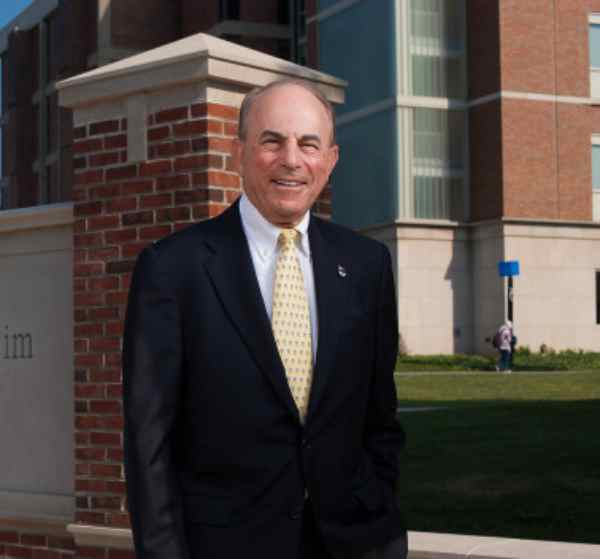
The story of Ed hajim is not a polished fairytale of privilege or easy access. It is a deeply human journey shaped by abandonment, resilience, discipline, and an unwavering belief in personal responsibility. Known today as a respected Wall Street executive, philanthropist, author, and mentor, ed hajim’s life stands as proof that background does not determine destiny. His rise from a childhood spent moving through foster homes and orphanages to leadership roles in some of America’s most influential financial institutions makes his story both compelling and instructive.
Early Life and Formative Years
A Childhood Marked by Disruption
Ed hajim was born during the Great Depression, the son of a Syrian immigrant father. His earliest years were marked by instability that would permanently shape his worldview. At the age of three, he was taken from his mother by his father and told she had died. That statement was untrue, but the damage was real and lasting.
Over the next decade, ed hajim moved through a series of foster homes and orphanages. He experienced neglect, emotional isolation, and the constant uncertainty of not knowing where he belonged. Unlike many success stories that gloss over hardship, hajim has spoken openly about the psychological weight of those years and how they influenced his approach to life and leadership.
Lessons Learned From Hardship
Instead of breaking him, these early experiences instilled traits that later defined his career. He learned self-reliance at a young age. He developed an acute awareness of responsibility and consequences. Most importantly, he discovered that progress came only through discipline and deliberate action.
Ed hajim often credits these formative years with teaching him to prepare relentlessly and never assume that someone else will solve his problems. That mindset became foundational as he moved into adulthood.
Education and Personal Transformation
Finding Direction Through Education
After aging out of the foster system, ed hajim enlisted in the U.S. military, an experience that provided structure and stability. Following his service, he pursued higher education, earning an undergraduate degree from the University of Rochester. His academic success later led him to Harvard Business School, where he completed his MBA.
Education was more than a credential for ed hajim. It was a turning point that reframed how he saw himself and his future. Exposure to structured thinking, long-term planning, and ethical leadership helped him translate raw determination into strategic competence.
The Shift From Survival to Strategy
For much of his early life, hajim operated in survival mode. Business school marked a shift toward intentional strategy. He began to understand how preparation, analysis, and patience could compound over time, producing results that brute effort alone could not achieve.
This transition is a recurring theme in ed hajim’s teachings: success is rarely accidental, and preparation is the bridge between ambition and achievement.
Career in Finance and Business Leadership
Entry Into Wall Street
Ed hajim began his professional career in finance during a period when Wall Street was rapidly evolving. He worked his way through a variety of investment and management roles, gaining exposure to different aspects of capital markets, corporate governance, and risk management.
His reputation grew not through self-promotion, but through consistency, reliability, and sound judgment. Colleagues recognized him as someone who could navigate complexity without losing sight of fundamentals.
Executive Roles and Leadership Positions
Over the decades, ed hajim held senior leadership roles at multiple prominent financial firms. He served as chairman and chief executive officer of Furman Selz, a respected investment banking and asset management firm. Later, he became co-chairman of ING Barings Americas and held leadership positions within other investment organizations.
Eventually, hajim took on the role of chairman at High Vista, a Boston-based investment management firm. Across these roles, his leadership style remained consistent: disciplined, people-focused, and grounded in long-term thinking rather than short-term gains.
A Reputation Built on Trust
In an industry often criticized for excess and short-termism, ed hajim distinguished himself through integrity. He emphasized risk awareness, ethical decision-making, and accountability. This approach earned him trust from investors, employees, and partners alike.
Rather than chasing trends, hajim focused on fundamentals, believing that sustainable success comes from understanding underlying value rather than speculation.
Leadership Philosophy and Core Principles
Preparation as a Life Skill
One of the most well-known themes in ed hajim’s philosophy is preparation. He argues that most failures are not caused by lack of intelligence or opportunity, but by insufficient preparation. Whether discussing careers, relationships, or finances, hajim emphasizes planning ahead and anticipating obstacles.
He often frames preparation as an act of respect for oneself and others. Being prepared, in his view, is a moral responsibility.
Personal Responsibility and Accountability
Ed hajim places strong emphasis on personal responsibility. Having grown up without a safety net, he believes that individuals must take ownership of their choices and outcomes. This does not mean ignoring systemic challenges, but it does mean refusing to adopt a victim mentality.
In leadership roles, this translated into clear expectations and accountability structures. Hajim encouraged open communication but insisted that commitments be honored.
Long-Term Thinking in a Short-Term World
Another defining principle of ed hajim’s leadership is patience. He advocates for long-term thinking, both in business and in life. Quick wins, he argues, often come at the expense of lasting value.
This philosophy influenced his investment strategies, organizational decisions, and philanthropic priorities. By focusing on durability rather than immediacy, hajim consistently positioned himself and his organizations for sustained success.
Writing, Speaking, and Thought Leadership
Sharing Lessons Through Books
Ed hajim is also a published author who has used writing as a means of reflection and teaching. His memoir, which chronicles his journey from childhood abandonment to the boardroom, is both candid and instructive. Rather than glorifying success, the book focuses on the decisions, habits, and values that made progress possible.
Another of his works uses a fable-style narrative to communicate lessons about preparation, self-awareness, and future planning. These books reflect hajim’s desire to make complex life lessons accessible to a broad audience.
Public Speaking and Mentorship
Beyond writing, ed hajim is a sought-after speaker at universities, leadership forums, and professional events. His talks resonate because they blend personal vulnerability with practical guidance.
He frequently mentors young professionals, emphasizing that success is not about background or luck, but about consistent effort and ethical behavior over time.
Philanthropy and Social Impact
Commitment to Education
Philanthropy is a central part of ed hajim’s legacy. He has made significant contributions to educational institutions, most notably a transformative gift to the University of Rochester that led to the naming of its engineering school in his honor.
For hajim, education represents opportunity, stability, and empowerment. His philanthropic focus reflects a desire to give others the structure and resources he lacked as a child.
Broader Charitable Work
Through his family foundation, ed hajim supports initiatives in healthcare, the arts, cultural preservation, and environmental conservation. His approach to giving mirrors his approach to business: thoughtful, strategic, and impact-oriented.
Rather than dispersing funds widely, he prioritizes initiatives with measurable, long-term benefits.
Recognition and Public Honors
Ed hajim’s life and contributions have been recognized through numerous awards and honors. Among the most notable is the Horatio Alger Award, which celebrates individuals who have overcome adversity to achieve success through integrity and perseverance.
Such recognition underscores not only hajim’s professional achievements but also the broader social value of his story.
Why Ed Hajim’s Story Matters Today
In an era defined by rapid change, uncertainty, and distraction, the story of ed hajim offers enduring lessons. His life demonstrates that resilience is built, not inherited. That preparation outperforms raw talent. And that ethical leadership remains relevant even in highly competitive industries.
For entrepreneurs, executives, students, and anyone navigating personal challenges, hajim’s journey provides a blueprint grounded in realism rather than hype.
(FAQs)
Who is ed hajim best known for being?
Ed hajim is best known as a Wall Street executive, philanthropist, and author who rose from a challenging childhood to senior leadership roles in finance.
What makes ed hajim’s life story unique?
His story is unique because he overcame early abandonment and years in foster care to build a successful career through discipline, education, and preparation.
What industries has ed hajim worked in?
Ed hajim has primarily worked in investment management, banking, and finance, holding executive and chairman-level roles.
Has ed hajim written any books?
Yes, ed hajim has written books that share his life story and lessons on preparation, responsibility, and long-term thinking.
What is ed hajim’s leadership philosophy?
His philosophy centers on preparation, personal responsibility, ethical decision-making, and long-term value creation.
Conclusion
The life of Ed Hajim is not simply a success story; it is a study in character. From a childhood defined by uncertainty to a career marked by trust and leadership, his journey illustrates the power of preparation, responsibility, and perseverance. In business, philanthropy, and personal conduct, ed hajim has consistently demonstrated that lasting success is built deliberately, one disciplined choice at a time.