Educational Diagnostician: The Complete Guide to Career, Certification, and Impact in U.S. Schools

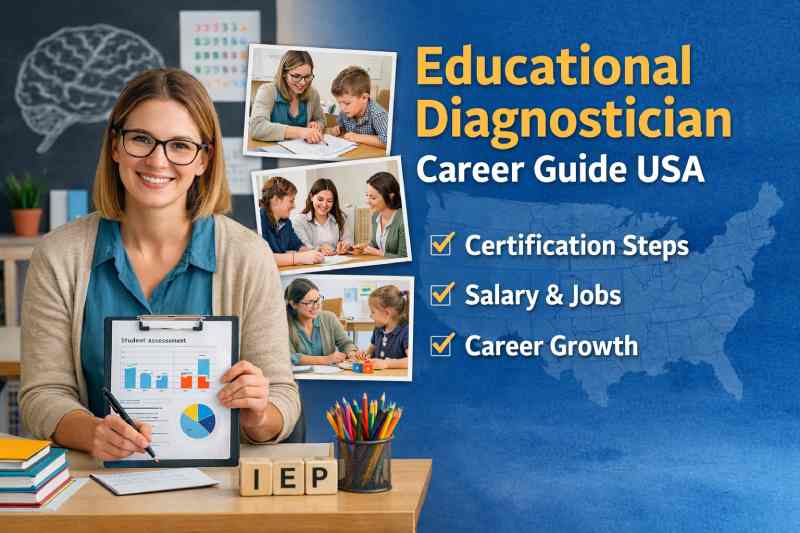
An Educational Diagnostician plays a critical role in American schools by identifying learning differences, evaluating academic performance, and guiding special education decisions. In today’s data-driven educational environment, schools rely on trained specialists who can interpret assessments, collaborate with educators, and ensure that students receive appropriate services. This profession blends psychology, education, assessment science, and legal compliance into one meaningful and impactful career.
What Is an Educational Diagnostician?
An Educational Diagnostician is a certified education professional who assesses students to determine whether they qualify for special education services under federal and state guidelines. These specialists evaluate cognitive abilities, academic achievement, behavioral functioning, and learning patterns.
Unlike a classroom teacher, this professional focuses on formal evaluation and diagnostic interpretation rather than daily instruction. Their work ensures compliance with the Individuals with Disabilities Education Act (IDEA) and supports fair, data-based decisions about services such as speech therapy, occupational therapy, or specialized instruction.
In many states, this role exists primarily within public school systems, though some professionals also work in private schools or educational cooperatives.
Core Responsibilities and Daily Duties
The daily work of an Educational Diagnostician combines testing, analysis, documentation, and collaboration.
Conducting Comprehensive Assessments
A major responsibility is administering standardized assessments. These may include intelligence tests, academic achievement tests, adaptive behavior scales, and processing assessments. Testing sessions often take place in quiet, one-on-one settings and may span multiple days.
After testing, the diagnostician analyzes results, looking for patterns that indicate specific learning disabilities, intellectual disabilities, or other qualifying conditions.
Interpreting Data and Writing Reports
Raw scores mean little without interpretation. The Educational Diagnostician translates data into meaningful conclusions. Reports must clearly explain findings, justify eligibility decisions, and recommend services.
Strong writing skills are essential. Reports are legal documents that may be reviewed by administrators, parents, and sometimes attorneys. Clarity and accuracy are critical.
Participating in ARD or IEP Meetings
These professionals attend Admission, Review, and Dismissal (ARD) or Individualized Education Program (IEP) meetings. They present findings to parents and school teams, explain eligibility criteria, and answer questions.
Communication skills matter just as much as testing skills. Families often feel anxious during these meetings, and clear explanations build trust.
Monitoring Reevaluations
Students receiving special education services must be reevaluated periodically. The Educational Diagnostician conducts these reevaluations to ensure services remain appropriate.
Why Schools Need Educational Diagnosticians
Modern classrooms include students with diverse learning profiles. Federal law requires schools to identify and serve students with disabilities. Without trained evaluators, schools cannot legally determine eligibility.
An Educational Diagnostician ensures:
- Compliance with federal and state laws
- Accurate identification of learning disabilities
- Appropriate service recommendations
- Fair and unbiased testing practices
- Clear documentation for accountability
In short, they are a cornerstone of ethical and effective special education systems.
Education and Certification Requirements in the United States
The path to becoming an Educational Diagnostician varies by state, but most follow a similar structure.
Bachelor’s Degree
Candidates typically begin with a bachelor’s degree in education, psychology, or a related field. Many start as classroom teachers, especially in special education.
Teaching Experience
Most states require at least two to three years of classroom teaching experience. This ensures the professional understands instructional practices and student development before conducting evaluations.
Master’s Degree
A master’s degree in educational diagnostics, special education, or school psychology is generally required. Programs include coursework in:
- Assessment and measurement
- Educational psychology
- Special education law
- Data interpretation
- Practicum field experience
Graduate training prepares candidates to conduct ethical and standardized assessments.
State Certification
Certification requirements differ by state. Some states offer a specific Educational Diagnostician credential. Others combine the role with school psychology certification.
Typically, candidates must:
- Hold a valid teaching license
- Complete an approved graduate program
- Pass a state examination
- Complete supervised practicum hours
Before pursuing the career, it is essential to verify your state’s department of education requirements.
Skills Needed to Succeed
The profession demands a balanced mix of technical knowledge and interpersonal strengths.
Analytical Thinking
Interpreting assessment data requires strong analytical reasoning. The Educational Diagnostician must recognize patterns across multiple data points.
Communication Skills
Explaining complex results in plain language is critical. Families and teachers rely on clear guidance.
Ethical Judgment
Assessment decisions impact a child’s educational future. Ethical testing practices and objective interpretation are mandatory.
Organization and Time Management
Case loads can be heavy. Professionals must manage testing schedules, deadlines, documentation, and meetings efficiently.
Salary Expectations in the United States
Salaries vary by state, district funding, and years of experience.
On average, professionals in this role earn between $60,000 and $90,000 annually. In higher-cost states or large districts, compensation can exceed this range. Additional stipends may apply for advanced certifications or doctoral degrees.
Benefits typically include:
- Health insurance
- Retirement contributions
- Paid holidays and summer breaks
- Professional development funding
The financial stability of school district employment is often a major advantage.
Work Environment and Career Outlook
An Educational Diagnostician primarily works in public schools. Some may serve multiple campuses within a district. The job involves a combination of office work, student interaction, and meetings.
The demand for evaluation specialists remains steady due to:
- Growing student populations
- Increased awareness of learning disabilities
- Legal requirements for timely evaluations
As educational systems emphasize accountability and data-driven instruction, the need for assessment professionals continues.
Differences Between an Educational Diagnostician and a School Psychologist
While responsibilities overlap, there are differences.
A school psychologist typically focuses more on mental health, counseling, and behavioral interventions. An Educational Diagnostician concentrates heavily on academic eligibility and special education testing.
In some states, the roles are combined. In others, they remain distinct professional tracks.
Understanding these distinctions helps prospective professionals choose the best path.
Challenges of the Profession
No career is without challenges.
Large Caseloads
High evaluation demands can create time pressure.
Emotional Conversations
Discussing disabilities with families can be emotionally charged.
Legal Accountability
Reports must withstand legal scrutiny.
Despite these challenges, many professionals find the work deeply rewarding.
How to Become an Educational Diagnostician: Step-by-Step
- Earn a bachelor’s degree in education or a related field.
- Obtain a teaching license.
- Gain classroom experience.
- Enroll in a master’s program focused on assessment or special education.
- Complete required practicum hours.
- Pass state certification exams.
- Apply for positions within school districts.
Each step builds the expertise required to perform evaluations responsibly.
Long-Term Career Growth
Career advancement options include:
- Lead diagnostician roles
- Special education administration
- District-level evaluation coordinator
- Doctoral studies in educational leadership or psychology
With experience, an Educational Diagnostician may also become a consultant or trainer.
Professional growth often depends on continued education and leadership involvement.
Is This Career Right for You?
If you enjoy working with children, analyzing data, and supporting educational equity, this path may be ideal.
You may thrive in this role if you:
- Value fairness in education
- Appreciate structured problem-solving
- Are comfortable speaking in meetings
- Enjoy writing detailed reports
It is both intellectually demanding and socially meaningful.
(FAQs)
What does an Educational Diagnostician actually do?
An Educational Diagnostician evaluates students to determine eligibility for special education services, administers standardized tests, writes reports, and participates in IEP meetings.
How long does it take to become an Educational Diagnostician?
Typically, it takes about six to eight years, including a bachelor’s degree, teaching experience, and a master’s degree with certification.
Is an Educational Diagnostician the same as a school psychologist?
Not always. While responsibilities overlap, school psychologists often focus more on mental health and counseling, whereas the Educational Diagnostician focuses on eligibility testing and academic evaluations.
Can an Educational Diagnostician work outside of public schools?
Most work in public schools, but some find roles in private schools, education service centers, or consulting.
Is there strong job demand for Educational Diagnostician professionals?
Yes. Federal requirements for evaluations and growing student populations maintain steady demand across many states.
Conclusion
An Educational Diagnostician serves as a vital link between assessment data and educational decision-making in American schools. This profession ensures students with learning differences receive the support and services they legally and ethically deserve. With the right education, certification, and commitment to ethical practice, this career offers stability, meaningful impact, and long-term professional growth.