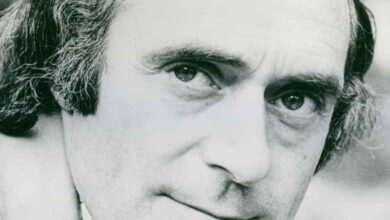
Hillel Halkin stands among the most influential Jewish intellectuals of the modern era. A writer of rare clarity, a translator of exceptional sensitivity, and a cultural critic with deep historical awareness, Halkin has shaped how English-speaking readers encounter Hebrew and Yiddish literature. His work bridges continents, centuries, and languages, offering readers not only texts but entire worlds of meaning. From literary biography to political essays, from fiction to philology, Halkin’s voice remains thoughtful, independent, and enduring.
Early Life and Intellectual Roots
Born in the United States in 1939, Hillel Halkin grew up immersed in Jewish culture, language, and history. From an early age, he showed a fascination with literature and ideas, particularly those connected to Jewish identity in the modern world. His upbringing exposed him to both traditional Jewish learning and contemporary Western thought, a dual influence that would later define his intellectual outlook.
Halkin’s formative years coincided with a period of profound change for global Jewry. The aftermath of World War II, the founding of the State of Israel, and the redefinition of Jewish life in the diaspora all shaped his worldview. These historical forces instilled in him a sense of responsibility toward cultural continuity and intellectual honesty.
Education and Academic Development
Halkin pursued higher education at Brandeis University, an institution known for its strong emphasis on Jewish studies and liberal arts. There, he refined his analytical skills and deepened his engagement with literature, philosophy, and history.
Rather than following a conventional academic path, Halkin chose the life of an independent intellectual. This decision allowed him to write freely across genres and disciplines, unbound by institutional constraints. His education provided the foundation, but his curiosity and discipline shaped the rest.
Immigration to Israel and a Defining Choice
In 1970, Halkin made a life-changing decision by immigrating to Israel. This move was not merely geographical; it was ideological and cultural. Living in Israel placed him at the center of Hebrew language revival, Israeli society, and ongoing debates about Jewish identity and nationhood.
Israel became both his home and his subject. The landscape, politics, and linguistic vitality of the country informed his writing, sharpening his insights and grounding his work in lived experience. His perspective as an American-born Israeli allowed him to address both Israeli and diaspora audiences with credibility and nuance.
Career as a Writer and Cultural Critic
Essays and Journalism
Halkin’s essays are widely admired for their intellectual rigor and elegant prose. He has written extensively on Jewish culture, Zionism, language, and literature, offering critiques that are thoughtful rather than polemical.
What distinguishes his essays is balance. He neither idealizes nor dismisses his subjects. Instead, he examines them with historical awareness and moral seriousness. His journalism reflects a commitment to clarity over trendiness, making his work timeless rather than reactive.
Political and Cultural Commentary
While Halkin has written on political themes, he avoids simplistic positions. His commentary on Israel, Jewish life, and Western culture is marked by independence of thought. He challenges assumptions on all sides, insisting on intellectual responsibility and depth.
Mastery of Literary Translation
Bridging Languages and Cultures
Hillel Halkin is widely regarded as one of the finest translators of Hebrew and Yiddish literature into English. Translation, in his hands, is not mechanical but creative. He captures tone, rhythm, humor, and cultural nuance, allowing English readers to experience texts as living works rather than artifacts.
Translating Yiddish Literature
One of Halkin’s most celebrated achievements is his translation of classic Yiddish works. His renditions preserve the warmth, irony, and humanity of the original language while remaining accessible to modern readers. Through his work, generations of readers have discovered the richness of Yiddish storytelling.
Hebrew Literature for a Global Audience
Halkin also translated major Hebrew novels and stories, helping introduce Israeli literature to the wider world. His translations played a crucial role in establishing Hebrew fiction as a respected presence in global literary culture.
Biographical Writing and Historical Insight
Literary Biography as Art
Halkin’s biographies are not simple chronologies. They are deeply researched narratives that situate individuals within their cultural and historical contexts. His ability to combine scholarship with storytelling makes his biographies engaging as well as authoritative.
Exploring Jewish Intellectual History
Through his biographical works, Halkin explores pivotal figures in Jewish thought and literature. He examines how ideas evolve across generations and how individuals respond to historical pressures. These works offer readers insight into both the subjects and the broader currents of Jewish history.
Fiction and Creative Expression
Though best known for nonfiction and translation, Halkin has also written novels. His fiction reflects the same intellectual depth found in his essays, exploring themes of memory, identity, and moral choice.
His novels are introspective rather than plot-driven, inviting readers into the inner lives of characters shaped by history and belief. This blend of philosophy and narrative sets his fiction apart.
Language, Philology, and the Love of Words
Fascination with Linguistic History
Language lies at the heart of Halkin’s work. He has written extensively about the evolution of Hebrew and Yiddish, examining how words carry cultural memory. His essays on language reveal a scholar’s precision combined with a writer’s delight.
Making Language Accessible
Despite his deep knowledge, Halkin avoids jargon. He explains complex linguistic ideas in clear, engaging prose, making philology accessible to general readers. This ability to educate without condescension is one of his greatest strengths.
Style, Voice, and Literary Approach
Halkin’s writing style is marked by clarity, restraint, and elegance. He avoids rhetorical excess, trusting ideas to carry their own weight. His sentences are carefully crafted, his arguments meticulously built.
He writes with respect for the reader’s intelligence, offering complexity without confusion. This approach has earned him a loyal readership across generations.
Influence and Legacy
Impact on Jewish Literature
Halkin’s influence extends beyond his own books. Through translation, criticism, and biography, he has shaped how Jewish literature is read and understood in English. Many readers encountered Hebrew and Yiddish classics for the first time through his work.
A Model of Intellectual Integrity
In an age of rapid opinion and fleeting trends, Halkin represents intellectual patience and seriousness. His commitment to truth, context, and linguistic precision serves as a model for writers and thinkers alike.
Awards and Recognition
Over the course of his career, Halkin has received numerous prestigious literary honors. These awards recognize not only individual books but his overall contribution to Jewish cultural life. While he rarely seeks the spotlight, his peers and readers have consistently acknowledged the significance of his work.
Personal Life and Public Presence
Halkin is known for maintaining a private personal life. He does not actively engage on social media and prefers to let his writing speak for itself. This discretion aligns with his belief in substance over self-promotion.
Living in Israel, he continues to observe and reflect on the society around him, drawing insight from daily life as well as historical study.
Quick Info
| Profile Detail | Information |
|---|---|
| Full Name | Hillel Halkin |
| Year of Birth | 1939 |
| Age | Mid-80s (as of 2025) |
| Place of Birth | United States |
| Nationality | Israeli (American-born) |
| Height | Not publicly disclosed |
| Profession | Writer, translator, literary critic, biographer |
| Education | Brandeis University |
| Languages | English, Hebrew, Yiddish |
| Known For | Literary translation, Jewish biography, cultural criticism |
| Awards | Multiple major Jewish literary honors |
| Estimated Net Worth | Not publicly disclosed |
| Social Media | No official personal accounts |
Conclusion
Hillel Halkin’s career represents a rare fusion of scholarship, artistry, and moral seriousness. As a translator, he opened doors between languages. As a biographer, he illuminated the lives of pivotal thinkers. As an essayist, he challenged readers to think more deeply about culture, history, and identity.
His work endures because it is rooted in respect for language and truth. In a world often dominated by speed and simplification, Halkin reminds us of the power of careful thought and well-chosen words. His legacy is not only a body of books but a standard of intellectual excellence that continues to inspire.
(FAQs)
Who is Hillel Halkin best known for being?
Hillel Halkin is best known as a writer and translator who brought Hebrew and Yiddish literature to English-speaking audiences with exceptional clarity and depth.
What languages does Hillel Halkin work with?
He works primarily in English, Hebrew, and Yiddish, often translating between these languages.
Is Hillel Halkin a novelist or only a nonfiction writer?
He has written both fiction and nonfiction. While his essays and biographies are more widely known, his novels are also an important part of his literary output.
Why is Hillel Halkin important in Jewish literature?
His translations, biographies, and essays have shaped modern understanding of Jewish literary and intellectual history, especially for English-language readers.
Does Hillel Halkin have social media accounts?
No official personal social media accounts are publicly associated with him.