Marcy Correctional Facility: A Comprehensive Look at Its History, Operations, and Ongoing Impact

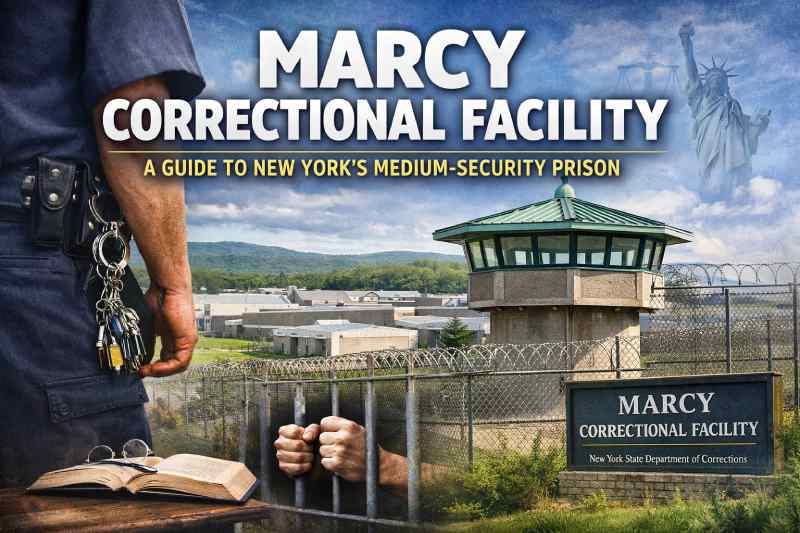
Located in Oneida County, New York, Marcy Correctional Facility is a medium-security state prison for adult men that has played a significant role in the state’s correctional system for decades. Since opening in the late 1980s, the institution has been part of a broader network of prisons serving Central New York. Over the years, it has evolved in response to policy shifts, legal challenges, and growing public attention around incarceration practices.
History and Establishment
The development of marcy correctional facility was part of a larger prison expansion initiative in New York State during the 1980s. At the time, rising incarceration rates led to the construction of multiple correctional institutions across upstate communities. The facility officially opened in 1988 and was designed to house adult male offenders classified under medium security.
Its location near the Mohawk River and adjacent correctional institutions created what many locals refer to as a “correctional corridor” in the Marcy area. Over time, the prison became a stable employer for the surrounding region, contributing to local economic activity while also shaping public discussions about criminal justice.
Security Classification and Housing Structure
As a medium-security prison, marcy correctional facility houses incarcerated individuals who do not require maximum-security confinement but still present risks that necessitate structured supervision. The housing units typically consist of dormitory-style settings and cell-based accommodations, depending on classification and behavior records.
Security procedures include controlled movement schedules, designated recreation periods, routine counts, and monitored visitation systems. The goal of this security level is to balance accountability and rehabilitation while maintaining institutional safety.
Correction officers and civilian staff work in shifts to oversee daily operations, enforce rules, and manage internal logistics. Surveillance systems, perimeter fencing, and controlled access points are standard components of the facility’s security framework.
Daily Life Inside the Facility
Life inside marcy correctional facility follows a structured routine. Incarcerated individuals typically wake early for morning counts, meals, and work or program assignments. The schedule is regulated and predictable, which correctional administrators argue helps maintain order and reduce conflict.
Meals are served in designated dining halls. Recreation may include indoor and outdoor activities, depending on weather and security considerations. Access to the library, educational classrooms, and religious services is usually scheduled throughout the week.
Like many prisons across the country, daily life can vary significantly based on classification status, disciplinary history, and participation in institutional programs.
Educational and Vocational Programs
Rehabilitation remains a central focus within marcy correctional facility, and educational programming is a key part of that mission. Incarcerated individuals often have opportunities to pursue:
- General Education Development (GED) preparation
- Adult basic education
- Vocational training in trades such as maintenance, custodial services, or manufacturing
- Substance abuse treatment programs
These initiatives aim to reduce recidivism by equipping individuals with practical skills that may improve employment prospects after release.
Participation in these programs can also positively influence behavior assessments and parole considerations. State correctional officials emphasize that structured education contributes to both institutional stability and long-term reintegration outcomes.
Mental Health and Medical Services
Providing adequate healthcare within correctional settings is a complex challenge. At marcy correctional facility, medical services include routine physical care, chronic disease management, and mental health counseling. Licensed medical staff are responsible for assessments, prescriptions, and emergency response.
Mental health services are particularly important in medium-security environments. Counseling sessions, psychiatric evaluations, and treatment plans are designed to address behavioral concerns and underlying trauma. However, like many correctional institutions nationwide, the facility has faced scrutiny regarding mental health housing and access to therapeutic programming.
Concerns raised in public reports have focused on ensuring that individuals with serious mental health needs receive appropriate out-of-cell time and structured support.
Oversight and Accountability
As a state-operated institution, marcy correctional facility falls under the authority of the New York State Department of Corrections and Community Supervision. Oversight includes internal audits, inspections, and compliance reviews.
Independent monitoring organizations have also examined conditions within the facility. These reviews typically assess program availability, disciplinary practices, staffing levels, and adherence to state and federal standards.
Legal actions and court rulings over the years have reinforced the importance of transparency and accountability in correctional environments. External oversight remains an essential component of maintaining lawful operations and protecting incarcerated individuals’ rights.
Public Attention and Controversies
Like many long-standing prisons, marcy correctional facility has been involved in incidents that attracted media coverage and public debate. Allegations of staff misconduct and use-of-force cases have prompted investigations and, in some instances, criminal charges.
Such incidents have intensified broader conversations about prison reform, officer training, and institutional culture within correctional systems nationwide. Advocacy groups have called for increased monitoring, improved transparency, and expanded mental health resources.
Public attention surrounding these matters has shaped policy discussions at the state level and highlighted the complex realities of operating correctional institutions in the modern era.
Visitation Policies and Family Connections
Maintaining family ties can play a meaningful role in rehabilitation. marcy correctional facility offers structured visitation programs that allow approved visitors to maintain contact with incarcerated individuals.
Visits typically require advance scheduling and adherence to dress codes and identification requirements. Security screenings are conducted upon entry, and visitation times are strictly regulated.
In addition to in-person visits, incarcerated individuals may have access to monitored phone calls and mail correspondence. These communication channels aim to preserve family connections while upholding institutional security standards.
Community Impact in Oneida County
The presence of marcy correctional facility has significantly influenced the surrounding community. As one of the larger employers in the region, it provides jobs for correction officers, healthcare professionals, administrative staff, and maintenance workers.
Economic activity generated by the prison extends to local businesses that serve employees and visitors. At the same time, the facility’s presence has sparked debates about the long-term social implications of housing correctional institutions in rural communities.
Supporters argue that prisons provide stable employment and infrastructure investment. Critics contend that reliance on incarceration-based economies may limit broader development opportunities.
Reentry Preparation and Transition Planning
Preparing individuals for eventual release is a key goal of correctional systems. Within marcy correctional facility, transition planning may include job-readiness workshops, substance abuse counseling, and coordination with community supervision programs.
Reentry preparation often focuses on:
- Resume development
- Interview preparation
- Housing coordination
- Continued counseling support
Successful reintegration reduces the likelihood of reoffending and contributes to public safety. However, reentry outcomes depend on multiple factors, including employment availability, community support, and access to social services.
Staff Roles and Institutional Culture
Correction officers, civilian staff, and administrators each play a role in shaping the institutional environment at marcy correctional facility. Officer responsibilities include maintaining order, supervising housing units, escorting movements, and responding to emergencies.
Institutional culture can influence everything from disciplinary outcomes to program participation rates. Training programs for staff typically address crisis intervention, use-of-force policies, and de-escalation strategies.
Modern correctional philosophy increasingly emphasizes professionalism, accountability, and rehabilitation alongside security enforcement.
Challenges Facing Medium-Security Institutions
Medium-security facilities like marcy correctional facility face unique operational challenges. Balancing safety with rehabilitation requires adequate staffing, consistent programming, and responsive healthcare services.
Key challenges often include:
- Staffing shortages
- Budget limitations
- Aging infrastructure
- Managing complex mental health needs
Addressing these challenges demands coordinated efforts between state policymakers, correctional leadership, and community stakeholders.
The Future of Correctional Reform
Ongoing reform discussions continue to shape the direction of marcy correctional facility and similar institutions. Topics such as sentencing reform, alternatives to incarceration, mental health diversion programs, and expanded educational funding influence how prisons operate today.
New York State has implemented reforms aimed at reducing solitary confinement, increasing transparency, and improving reentry support. Whether these measures will significantly transform long-term outcomes remains a subject of policy debate.
Correctional systems nationwide are under increasing scrutiny, and future changes may further reshape institutional operations.
(FAQs)
What type of prison is Marcy Correctional Facility?
It is a medium-security state prison for adult men located in Central New York.
When did Marcy Correctional Facility open?
The facility began operations in 1988 as part of a statewide prison expansion initiative.
What programs are available to incarcerated individuals?
Educational classes, vocational training, substance abuse treatment, and counseling services are typically offered.
How can family members visit someone housed there?
Visits generally require advance approval, identification, and compliance with institutional rules.
Has Marcy Correctional Facility faced public investigations?
Yes, like many correctional institutions, it has been subject to oversight reviews and investigations related to operational practices.
Conclusion
Marcy correctional facility remains an important part of New York’s correctional infrastructure, serving both a custodial and rehabilitative function. Over more than three decades, it has reflected the broader evolution of American criminal justice—balancing public safety, institutional accountability, and efforts toward rehabilitation.
Understanding the structure, history, and ongoing reforms surrounding this institution provides valuable context for discussions about incarceration policy in the United States. As debates over correctional reform continue, facilities like this one remain central to shaping the future of justice and reintegration in America.