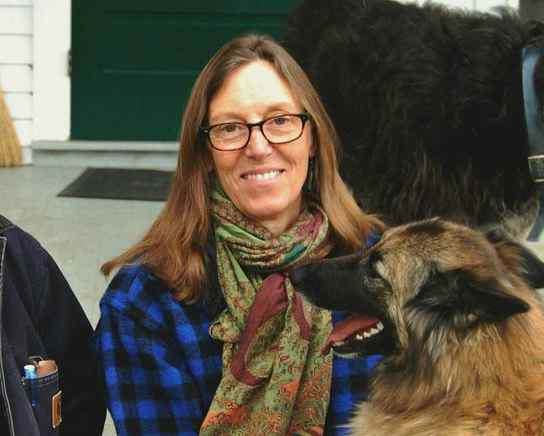
In the quiet yet culturally rich landscape of Vermont, one name has earned deep respect among museums, collectors, and preservation professionals alike: Suki Fredericks. Known for her meticulous skill, ethical approach, and decades-long commitment to safeguarding artistic heritage, Suki Fredericks stands as a distinguished paintings conservator whose work bridges history, science, and craftsmanship.
Early Path and Introduction to Art Conservation
The journey of Suki Fredericks into art conservation began at a time when the profession was far less visible to the general public than it is today. Drawn to both fine art and academic rigor, she developed an early fascination with how paintings age, deteriorate, and can be preserved without compromising their original integrity.
Unlike artists, conservators must work invisibly. Their goal is not to leave a personal mark, but to respect the intent of the original creator. This philosophy resonated deeply with Suki Fredericks and guided her career choices from the very beginning.
Her interest evolved from simple appreciation into a disciplined pursuit of technical knowledge, material science, and art history—an unusual but powerful combination that would later define her professional excellence.
Academic Training and Professional Formation
A strong academic foundation is essential in conservation, and Suki Fredericks built hers at one of the most respected institutions in the world.
Graduate Education at New York University
Suki Fredericks earned her Master’s degree in Art History and Conservation from New York University, where she studied within a rigorous academic environment that emphasized both theory and practice. This training provided her with:
- In-depth knowledge of Western art history
- Scientific understanding of pigments, binders, and supports
- Ethical frameworks guiding conservation decisions
- Hands-on laboratory and studio experience
NYU’s program prepared her to approach conservation not as restoration for appearance alone, but as a scholarly discipline rooted in research and responsibility.
Advanced Apprenticeships and Museum Training
Beyond formal education, Suki Fredericks pursued advanced training with established professionals and institutions. She worked closely with Rustin Levenson, a highly regarded conservator, gaining real-world experience in complex conservation treatments.
She also trained at the Detroit Institute of Arts, where she encountered museum-level standards, diverse collections, and conservation challenges involving works on canvas, wood panels, and mixed media. These experiences sharpened her judgment and reinforced the importance of minimal, reversible intervention—one of the core principles of modern conservation.
Professional Career Spanning Decades
Suki Fredericks has worked continuously as a paintings conservator since the 1970s, placing her among a generation of professionals who helped shape contemporary conservation practices in the United States.
Private Conservation Practice
Over time, she established her own private conservation studio in Vermont, where she continues to treat paintings for a wide range of clients. Her studio practice allows for:
- Controlled environmental conditions
- Detailed examination and documentation
- Custom treatment plans tailored to each artwork
Operating independently has enabled Suki Fredericks to maintain a high level of personal involvement in every project, from initial assessment to final stabilization.
Museum and Institutional Work
In addition to private clients, Suki Fredericks has a long history of working with museums and cultural institutions. Since at least 1998, she has sub-contracted with the Shelburne Museum, one of Vermont’s most prominent heritage institutions.
Her work with museums typically includes:
- Conservation of historically significant paintings
- Preparation of works for exhibition or long-term storage
- Condition assessments for collections
- Emergency stabilization of damaged artworks
These projects require not only technical expertise but also collaboration with curators, archivists, and historians—roles Suki Fredericks has navigated with professionalism and trust.
Areas of Specialization
Suki Fredericks is best known for her expertise in paintings conservation, particularly works executed on traditional supports.
Paintings on Canvas
Canvas paintings present unique challenges, including tears, paint loss, sagging, and environmental damage. Her treatments often involve:
- Structural stabilization of weakened canvas
- Repair of tears and distortions
- Cleaning of aged varnish layers
- Careful inpainting to visually reintegrate losses
Each step is performed with restraint, ensuring that original material is preserved whenever possible.
Paintings on Wood Panels
Wood panel paintings require additional understanding of how organic materials respond to humidity and temperature. Suki Fredericks’ experience allows her to address:
- Warping or cracking of panels
- Separation of paint layers
- Historic construction techniques
Her ability to adapt treatments to the physical behavior of wood has made her a valued conservator for early and regional artworks.
Conservation Philosophy and Ethics
What truly distinguishes Suki Fredericks is not only her skill, but her conservation philosophy.
She adheres strongly to internationally recognized principles, including:
- Minimal intervention: Doing only what is necessary
- Reversibility: Ensuring treatments can be undone in the future
- Documentation: Recording every step for transparency
- Respect for authenticity: Preserving original materials and intent
Rather than “making a painting look new,” Suki Fredericks focuses on stabilizing it so that its age, history, and artistic voice remain intact.
Role in Preserving Regional and Cultural Heritage
Based in the Burlington and Leicester areas of Vermont, Suki Fredericks has played a significant role in preserving the artistic heritage of the region. Many local museums and historic sites rely on conservators like her to maintain collections that might otherwise deteriorate due to limited resources.
Her work supports:
- Small and mid-sized museums
- Historic homes and collections
- Regional artists’ legacies
- Educational institutions
By working locally while maintaining national-level standards, she has helped ensure that important artworks remain accessible to the public.
Professional Reputation and Legacy
After decades in the field, Suki Fredericks is widely regarded as a trusted and experienced conservator. Her reputation has been built not through publicity, but through consistent, careful work and long-term relationships with institutions.
Colleagues value her for:
- Sound professional judgment
- Calm handling of complex conservation challenges
- Deep respect for ethical guidelines
- Willingness to collaborate and advise
As the conservation field evolves with new technologies and materials, her career stands as an example of how traditional skills and modern ethics can coexist.
(FAQs)
What does Suki Fredericks specialize in?
Suki Fredericks specializes in the conservation of paintings, particularly works on canvas and wood panels, focusing on stabilization, cleaning, and long-term preservation.
Where is Suki Fredericks based?
She is based in Vermont, primarily in the Burlington and Leicester area, where she operates her private conservation studio.
Has Suki Fredericks worked with museums?
Yes, she has worked extensively with museums and cultural institutions, including long-term subcontracting work with the Shelburne Museum.
What education does Suki Fredericks have?
She holds a Master’s degree in Art History and Conservation from New York University and has completed advanced training with established conservators and major museums.
How long has Suki Fredericks been working as a conservator?
Suki Fredericks has been active in the field since the 1970s, giving her several decades of professional experience.
Conclusion
Suki Fredericks represents the quiet excellence that defines the best of art conservation. Through decades of dedicated work, she has preserved not only individual paintings but also the cultural memory embedded within them. Her career reflects a deep respect for history, materials, and ethical responsibility—qualities that continue to guide the conservation profession today.
In a world where art is constantly at risk from time, environment, and neglect, the work of conservators like Suki Fredericks ensures that future generations will still be able to experience the power, beauty, and authenticity of original works of art.