Tarnplanen: The Complete Guide to Camouflage Tarps for Outdoor, Tactical, and Survival Use

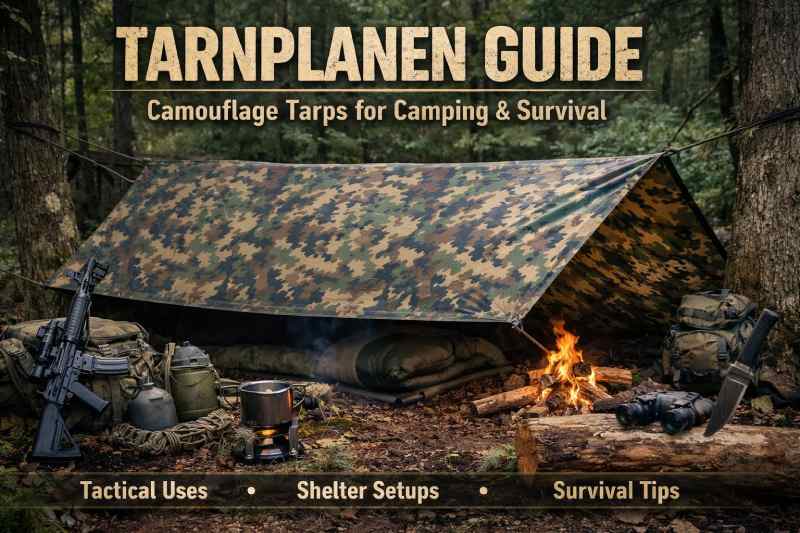
Outdoor gear has evolved dramatically over the past few decades, blending military innovation with practical everyday functionality. Among the most versatile pieces of equipment gaining attention worldwide is the Tarnplanen, a rugged camouflage tarp originally designed for military concealment but now widely adopted by campers, hunters, survivalists, and outdoor enthusiasts across the United States.
What Is a Tarnplanen?
A Tarnplanen is essentially a camouflage tarpaulin engineered for outdoor protection and concealment. The name originates from German terminology combining words meaning “camouflage” and “cover sheet.” In American English, similar gear may be called a camouflage tarp, tactical tarp, or field shelter tarp.
Unlike ordinary tarps used for construction or backyard coverage, this equipment is designed with outdoor survival in mind. It balances waterproof performance, lightweight portability, and visual blending with natural environments such as forests, deserts, or mountainous terrain.
The defining feature is its camouflage pattern, which minimizes visibility while maintaining full weather resistance.
The Military Origins Behind Tarnplanen
Early Development
Camouflage equipment became essential during twentieth-century military operations when concealment could determine mission success. Armies needed lightweight shelter systems that soldiers could carry easily while remaining hidden from enemies and aerial observation.
The concept behind Tarnplanen evolved from military ponchos and shelter halves used during World War II. Over time, materials improved, allowing modern versions to become stronger yet significantly lighter.
Transition to Civilian Use
After military surplus equipment entered civilian markets, outdoor enthusiasts discovered its advantages. Hunters appreciated the ability to remain concealed, while backpackers valued multi-purpose gear that reduced pack weight.
Today, the Tarnplanen concept represents one of the clearest examples of military technology successfully adapted for recreational outdoor life.
Key Features That Make Tarnplanen Unique
Camouflage Effectiveness
Traditional tarps often reflect sunlight or stand out against natural landscapes. A Tarnplanen uses specialized patterns that break up shapes and shadows, helping users avoid visual detection.
Modern designs may include woodland, desert, snow, or multi-terrain camouflage depending on intended environments.
Waterproof Protection
High-quality models use coated fabrics that repel rain while preventing moisture penetration. Proper sealing ensures users stay dry even during extended storms.
Lightweight Portability
Outdoor survival gear must balance durability with weight. Most designs fold compactly, making them easy to attach to backpacks or emergency kits.
Multi-Purpose Design
Unlike tents with fixed structures, these tarps can be configured in dozens of ways, including:
- Lean-to shelters
- A-frame tents
- Ground covers
- Equipment covers
- Windbreak barriers
This flexibility makes them essential for minimalist camping setups.
Materials Used in Modern Tarnplanen
Ripstop Nylon
Ripstop nylon is widely used because of its tear resistance. Reinforced threads prevent small punctures from expanding into large tears, extending the tarp’s lifespan.
Polyester Fabric
Polyester versions offer strong UV resistance and maintain shape even after prolonged sun exposure.
PVC-Coated Materials
Heavy-duty tactical variants sometimes use PVC coatings for maximum waterproofing and durability. These are heavier but extremely resilient.
Reinforced Grommets and Tie Points
Strong attachment points allow secure setup under tension. Reinforced corners prevent ripping during wind or heavy rain.
Outdoor Applications in the United States
Camping and Backpacking
Minimalist campers often replace tents entirely with a Tarnplanen setup. By using trekking poles or trees, hikers can build lightweight shelters that reduce pack weight while maintaining weather protection.
This approach is especially popular among ultralight backpackers exploring national parks and wilderness areas.
Hunting and Wildlife Observation
Hunters rely on concealment. A camouflage tarp helps create temporary blinds that blend into forests, allowing observation without disturbing wildlife.
Photographers also benefit when documenting animals in natural habitats.
Emergency Preparedness
Preparedness communities value equipment that serves multiple functions. A single tarp can act as:
- Emergency shelter
- Rain collector
- Ground insulation
- Signal marker (when reversed to brighter colors)
Because of its versatility, many emergency kits include one.
Bushcraft and Survival Training
Bushcraft practitioners focus on skills rather than heavy equipment. A Tarnplanen allows users to practice shelter-building techniques while learning environmental awareness and resource management.
Shelter Configurations Explained
A-Frame Shelter
One of the simplest configurations. The tarp is suspended along a centerline and staked down on both sides, forming a triangular shelter that sheds rain effectively.
Lean-To Shelter
Ideal for fire-based camps. One side remains open, reflecting heat from a campfire while protecting from wind.
Diamond Fly Setup
Used for fast deployment during sudden storms. Minimal stakes create a stable overhead cover.
Ground Sheet Mode
Placed beneath sleeping gear, it prevents moisture and dirt from reaching sleeping bags.
Choosing the Right Tarnplanen
Size Considerations
Common sizes range from compact solo versions to large group shelters. Selection depends on intended use:
- Solo backpacking: smaller, lightweight options
- Two-person shelter: medium coverage
- Base camp: larger reinforced designs
Weight vs Durability
Ultralight fabrics reduce carry weight but may sacrifice long-term toughness. Heavy-duty models withstand harsher conditions but increase pack load.
Weather Resistance Rating
Look for high waterproof ratings and sealed seams for reliable storm performance.
Attachment Points
More tie-out points allow greater setup flexibility and stability.
Advantages Over Traditional Tents
Many outdoor enthusiasts are switching from tents to tarp systems for several reasons.
First, airflow improves ventilation, reducing condensation buildup common in enclosed tents. Second, setup adaptability allows users to adjust shelter shape depending on weather conditions.
Third, tarps encourage connection with the environment, offering open views while still providing protection.
However, they require more skill to set up effectively.
Maintenance and Care
Proper care extends lifespan significantly.
- Always dry the tarp before storage.
- Avoid prolonged exposure to sharp rocks or branches.
- Clean using mild soap and water.
- Store loosely folded to prevent coating damage.
Regular inspection ensures tie points remain secure and waterproof coatings stay intact.
Environmental and Ethical Considerations
Outdoor gear increasingly reflects sustainability concerns. Many manufacturers now produce eco-conscious fabrics that reduce environmental impact.
Responsible users should follow Leave No Trace principles, ensuring shelters do not damage vegetation or wildlife habitats.
Because Tarnplanen systems require fewer materials than tents, they often align well with minimalist and environmentally aware outdoor practices.
Why Tarnplanen Is Growing in Popularity
Several cultural trends contribute to rising interest.
Outdoor recreation surged as people sought nature experiences and self-reliance skills. Social media and survival content introduced audiences to lightweight shelter systems previously known mostly within military or bushcraft communities.
Additionally, rising awareness of emergency preparedness encouraged people to invest in versatile gear capable of handling unpredictable situations.
The combination of practicality, durability, and adaptability positions the Tarnplanen as a modern essential rather than niche equipment.
Common Mistakes Beginners Make
New users sometimes struggle initially. Typical errors include:
- Setting shelters too tight, causing fabric stress
- Ignoring wind direction
- Choosing incorrect stake placement
- Using insufficient tension lines
Practice improves setup speed and effectiveness dramatically.
Safety Tips for First-Time Users
Always test configurations in controlled environments before relying on them during remote trips. Carry extra cordage and learn basic knots such as the taut-line hitch or bowline knot.
Understanding terrain and weather patterns also enhances safety when using open shelter systems.
(FAQs)
Is a Tarnplanen better than a tent for camping?
It depends on experience and environment. Tarps offer flexibility and lighter weight, while tents provide easier setup and full enclosure.
Can beginners use Tarnplanen effectively?
Yes, but practice is important. Learning a few shelter configurations beforehand greatly improves comfort outdoors.
Are Tarnplanen waterproof?
Most quality versions are fully waterproof and designed to withstand heavy rain when properly pitched.
What size Tarnplanen should a solo camper choose?
A medium-sized tarp typically provides enough coverage for one person plus gear while remaining lightweight.
Is Tarnplanen gear suitable for emergency survival kits?
Absolutely. Its versatility makes it one of the most valuable multi-purpose items for preparedness scenarios.
Conclusion
The evolution of outdoor equipment continues to blur the line between military innovation and recreational exploration, and few products illustrate this better than the Tarnplanen. What began as a tactical concealment tool has transformed into a trusted companion for campers, hunters, survivalists, and adventurers across the United States.
Its appeal lies in simplicity and adaptability. Instead of carrying multiple specialized tools, users gain shelter, protection, and concealment in a single lightweight solution. Whether facing unpredictable weather, building minimalist camps, or preparing for emergencies, this equipment delivers reliable performance across diverse conditions.