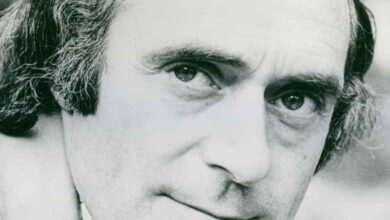
Tunji Kasim is one of those actors whose career quietly but steadily commands respect across theatre, film, and television. Known for his refined performances, emotional depth, and versatility, he has built a body of work that bridges classical Shakespearean theatre and modern, globally streamed television series. While many viewers recognize him instantly from popular TV roles, his journey is rooted deeply in stage craft, discipline, and cultural richness.
Early Life and Cultural Background
Tunji Kasim was born on September 10, 1987, in Aberdeen, Scotland. Although born in the UK, his childhood was shaped by two cultures. Shortly after his birth, his family moved to Nigeria, where he spent a significant portion of his early years. Living in Nigeria until around the age of twelve gave him early exposure to African culture, storytelling traditions, and a strong sense of identity.
His mother is Scottish and worked as a primary school teacher, while his father is Nigerian and has an academic background as a research fellow and lecturer. This blend of creative, educational, and intellectual influences played an important role in shaping his worldview. Growing up between two countries helped tunji kasim develop adaptability, emotional awareness, and a broad cultural lens that later translated seamlessly into his acting work.
When he returned to Scotland during his teenage years, he faced the challenge of reintegrating into a different society. This experience of navigating identity, belonging, and perspective would later become one of his strengths as a performer, allowing him to inhabit complex characters with authenticity.
Education and Formal Acting Training
Tunji kasim’s acting journey became more defined when he pursued formal training. He enrolled at the Royal Scottish Academy of Music and Drama, now known as the Royal Conservatoire of Scotland, one of the most respected performing arts institutions in the UK.
At the conservatoire, he underwent rigorous classical training that emphasized voice control, physical movement, text analysis, and emotional truth. Unlike performers who rely primarily on screen exposure, tunji kasim built his foundation through disciplined stage work. This training sharpened his command of language, particularly classical dialogue, and taught him how to hold an audience’s attention without relying on editing or camera tricks.
This classical education continues to set him apart in television and film. Viewers often notice his clarity of speech, controlled physicality, and subtle emotional shifts, all hallmarks of a strong theatrical background.
Theatre Career and Shakespearean Influence
Before becoming widely known on television, tunji kasim established himself as a serious stage actor. Theatre was not just a stepping stone for him; it was a proving ground.
He worked extensively with respected theatre companies, including the Royal Shakespeare Company. Performing Shakespeare demands precision, stamina, and emotional intelligence, and tunji kasim excelled in this environment. He took on challenging roles in productions such as Julius Caesar, Antony and Cleopatra, Much Ado About Nothing, and The Winter’s Tale.
His portrayal of Caesar earned particular praise and led to a nomination for the Ian Charleson Award, which recognizes outstanding classical performances by young actors. This recognition signaled that tunji kasim was not only talented but also capable of carrying complex, historically rich roles with confidence.
Theatre refined his ability to explore power, vulnerability, ambition, and morality, themes that would later surface in his screen performances.
Transition to Television and Early Screen Work
Moving from stage to screen is not always easy, but tunji kasim managed the transition with care. His early television appearances included roles in British series such as Nearly Famous, Shetland, and Cold Feet. These projects allowed him to adapt his theatrical skills to the subtler demands of camera acting.
Rather than overplaying emotions, he learned to convey depth through restraint. Casting directors began to recognize him as a reliable actor who could bring intelligence and nuance to supporting roles. Over time, these performances built trust within the industry and opened doors to larger opportunities.
Breakthrough Role and International Recognition
Tunji kasim’s most widely recognized role came with his casting as Nick Nickerson in the television series Nancy Drew. This role introduced him to a global audience, particularly in the United States, where the show gained a strong fan following.
As Nick Nickerson, tunji kasim portrayed a character that balanced charm, emotional complexity, and moral strength. His performance stood out because it avoided clichés. Instead of playing the character as a simple romantic lead, he brought layers of vulnerability, loyalty, and personal struggle.
This role marked a turning point in his career. It demonstrated that he could carry a long-running television role while maintaining depth and consistency. For many viewers, this was their first exposure to tunji kasim, and it left a lasting impression.
Film Appearances and Supporting Roles
Alongside television, tunji kasim has appeared in several notable films. His filmography includes roles in period dramas and modern thrillers, where he often supports ensemble casts with quiet intensity.
Films such as Florence Foster Jenkins and The Good Liar placed him alongside established actors, further solidifying his reputation as a dependable and skilled performer. While he may not always play the central character in films, his presence adds credibility and emotional weight to the story.
These film roles show his willingness to explore different genres rather than being confined to a single type of character.
Acting Style and Creative Approach
Tunji kasim’s acting style is best described as controlled, thoughtful, and grounded in realism. Even when playing heightened or historical characters, he prioritizes emotional truth over theatrics.
His theatre background gives him a strong command of language, but he adapts it well for modern audiences. He is particularly effective at portraying internal conflict, often communicating more through silence and expression than dialogue.
Another defining feature of tunji kasim’s work is his respect for storytelling. He approaches each role as part of a larger narrative rather than an opportunity for individual spotlight. This collaborative mindset makes him a valuable asset on both stage and screen.
Representation and Cultural Impact
As a Scottish-Nigerian actor, tunji kasim represents a growing shift toward more inclusive storytelling in the entertainment industry. His success challenges outdated notions of typecasting and highlights the value of diverse backgrounds in classical and contemporary roles.
He does not rely on his heritage as a marketing tool, yet his presence naturally broadens representation. By excelling in Shakespeare, historical dramas, and mainstream television, tunji kasim proves that talent transcends narrow cultural expectations.
For aspiring actors from multicultural backgrounds, his career offers a powerful example of how strong training and persistence can overcome industry limitations.
Personal Life and Interests
Tunji kasim maintains a relatively private personal life, choosing to let his work speak for itself. He is known to value discipline, health, and thoughtful living. His interests outside acting include fitness and mindful lifestyle choices, which align with the physical demands of his profession.
This sense of balance is reflected in his career choices. Rather than chasing constant visibility, he appears focused on longevity and artistic integrity.
Future Prospects and Career Direction
Looking ahead, tunji kasim’s career trajectory suggests continued growth. With his blend of classical training and modern screen experience, he is well-positioned for leading roles in both film and high-quality television dramas.
As streaming platforms continue to invest in character-driven storytelling, actors like tunji kasim, who bring depth and reliability, are increasingly in demand. Whether he returns to major theatre productions or expands his film presence, his future in the industry appears strong and sustainable.
(FAQs)
Who is tunji kasim best known for?
Tunji kasim is best known for his role as Nick Nickerson in the television series Nancy Drew, which brought him international recognition.
Where was tunji kasim born?
Tunji kasim was born in Aberdeen, Scotland, and spent part of his childhood in Nigeria.
Does tunji kasim have a theatre background?
Yes, tunji kasim has a strong classical theatre background and has performed in multiple Shakespearean productions.
What makes tunji kasim’s acting style unique?
His acting style is known for emotional restraint, clarity of speech, and a deep focus on character psychology.
Is tunji kasim involved in films as well as TV?
Yes, tunji kasim has appeared in several films alongside his television work, often in supporting but impactful roles.
Conclusion
Tunji kasim’s career is a compelling example of how dedication, classical training, and cultural depth can shape a lasting presence in the entertainment industry. From Shakespearean stages to globally streamed television, he has built his reputation through craft rather than hype.
As audiences continue to seek meaningful performances and authentic storytelling, tunji kasim stands out as an actor whose work resonates quietly but powerfully. His journey is far from over, and his growing influence suggests that his most impactful roles may still lie ahead.